Microsoft is working on an Azure-powered Cloud PC service

Microsoft is building a new desktop-as-a-service offering built on top of Windows Virtual Desktop that could launch as soon as 2021.

Mary Jo Foley

By Mary Jo Foley for All About Microsoft | July 20, 2020 — 10:00 GMT (15:30 IST) | Topic: Windows 10

microsoftcloudpc.jpg

Credit: ZDNet

WINDOWS 10

For years, many of us Microsoft watchers have expected Microsoft to create a true virtualized Windows PC experience. Well, it’s happening, likely as soon as spring 2021.

Microsoft is currently calling the coming virtualization service “Cloud PC.” Cloud PC won’t replace locally installed Windows (and Office) — for the foreseeable future, anyway. It will be an option for customers who want to use their own Windows PCs made by Microsoft and/or other PC makers basically like thin clients, with Windows, Office and potentially other software delivered virtually by Microsoft.

I found a  job description posted June 5 for a program manager for Microsoft’s Cloud PC team on the company’s careers site. The description of Cloud PC isn’t super-detailed — or surprising to anyone following Microsoft’s virtualization strategy.

“Microsoft Cloud PC is a strategic, new offering that is built on top of Windows Virtual Desktop to delivering Desktop as a Service. At its core, Cloud PC provides business customers a modern, elastic, cloud-based Windows experience and will allow organizations to stay current in a more simplistic and scalable manner,” the job description says.

Microsoft is planning to make Cloud PC a Microsoft-365-powered experience that is managed by Microsoft and sold for a flat per user price, the job description says. This pricing piece is key. Windows Virtual Desktop pricing revolves around Azure consumption. Cloud PC sounds like it will be available for a set subscription fee.

Microsoft had dropped a few hints recently that it was looking to create some kind of virtualized PC management experience. In February, Scott Manchester, who had been Group Program Manager for Windows Virtual Desktop, took on a new role as Group Program Manager for “Cloud Managed Desktops.” I’m guessing that this team, along with Windows engineering, are the ones honing the Cloud PC vision and deliverables.

The biggest question here is when will Microsoft introduce its Cloud PC service/offering. I’m hearing this could happen as early as next spring, but Microsoft officials would not talk about Cloud PC at all and provided the “Microsoft will not comment on rumors and speculation” boiler-plate answer to my query.

If the concept of a Microsoft-managed Cloud PC sounds familiar in some ways, it’s not surprising.
Asus ZenFone 7 With Snapdragon 865 SoC, 16GB of RAM Allegedly Spotted on Geekbench

Asus ZenFone 7 will be the successor to the Asus ZenFone 6 that launched as the Asus 6Z in India.

By Vineet Washington | Updated: 19 June 2020 11:28 ISTHIGHLIGHTS

  • Asus ZF phone spotted on Geekbench
  • It is said to be the ZenFone 7 or 7Z
  • Asus ZF may come with 16GB of RAM
Asus ZenFone 7 With Snapdragon 865 SoC, 16GB of RAM Allegedly Spotted on Geekbench

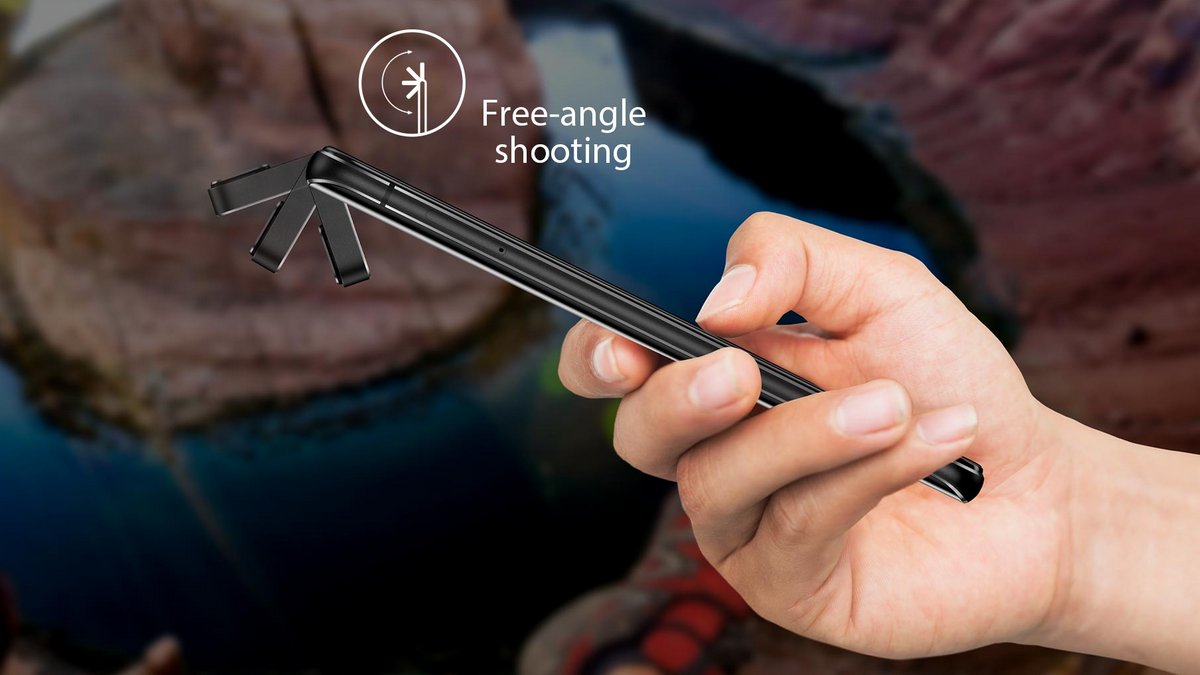
Asus 6Z features a motorised camera module

Asus ZenFone 7 or 7Z has reportedly been spotted on Geekbench, hinting at some of the specifications of the follow-up to the ZenFone 6/ Asus 6Z from last year. An Asus phone with codename ‘asus ZF’ has been listed on the benchmarking website and is rumoured to be the ZenFone 7 or 7Z. The listing states the smartphone is powered by the Snapdragon 865 SoC and runs Android 10. Further, it also shows the amount of RAM present in the phone.

As per the Geekbench listing, the phone with codename ‘asus ZF’ uses the Snapdragon 865 SoC. While the listing does not explicitly state the name of the processor, it mentions ‘kona’ that is the codename for the Snapdragon 865 SoC. The listing also mentions 16GB of RAM and Android 10. Talking about the scores, the ‘asus ZF’ got 973 in single-core and 3346 in multi-core tests as per the listing.

The Geekbench listing was first spotted by tipster Abhishek Yadav and independently verified by Gadgets 360.https://d-19955954323286508045.ampproject.net/2006050512000/frame.html

According to the tipster, this phone is believed to be the Asus ZenFone ZF or ZenFone 7Z. It could also be called the Asus ZenFone 7 globally. As of now, this is the only piece of information available on the next ZenFone by Asus. Notably, the company itself has not shared details about the ZenFone 7, but a Qualcomm press note from February revealed the Asus Zenfone 7 will be powered by the Snapdragon 865 SoC.

Loading video

The ‘asus ZF’ is expected to be the successor to the Asus ZenFone 6/ Asus 6Z from last year. To recall, the originally named Asus ZenFone 6 launched in India as the Asus 6Z in June because the company is not legally allowed to use the Zen or ZenFone branding in the country.https://apis.kostprice.com/api/amp_mid_widget?from=amp&amptitle=Asus+ZenFone+7+With+Snapdragon+865+SoC%2C+16GB+of+RAM+Allegedly+Spotted+on+Geekbench&ampcategory=Mobiles&amprefurl=https://gadgets.ndtv.com/mobiles/news/asus-zenfone-7z-zf-geekbench-snapdragon-865-soc-16gb-ram-6z-android-10-2248780&pagetype=story&pagecategory=Mobiles&tmp=kp#amp=1

The Asus 6Z is powered by the Snapdragon 855 SoC and features a 6.40-inch display. It comes with up to 8GB of RAM and up to 256GB of storage. There is also a 5,000mAh battery in the Asus 6Z. The standout feature of the Asus 6Z is the motorised camera module that could be flipped up to point the cameras at the front, making them the selfie cameras as well. The phone launched at a starting price of Rs. 31,999 for the 6GB + 64GB variant.

Microsoft Makes it Easier to Install WSL on Windows 10

Microsoft has announced that it’s making it easier to install WSL on Windows 10 — albeit only on systems where the feature isn’t currently enabled.

A few weeks back I wrote a post on how to install WSL 2 on Windows 10 in the May 2020 Update (though this is on pause for the moment). That guide is still valid. Those of you who want to take full advantage of all the new WSL 2 features like GPU support and the use of a real Linux kernel should follow along.

Microsoft has revealed that WSL is used by 3.5 million “active” monthly devices

But I won’t lie: that method is a bit …steppy.

So Microsoft has decided to make things a bit simpler.

The corporation’s dedicated WSL team is introducing a wsl.exe --install command. Windows 10 users can run this from (presumably) the cmd prompt utility or the flashy new open source Windows Terminal.

“In this initial release, this command will enable the Windows Subsystem for Linux optional component, as well as the Virtual Machine Platform optional component, and prompt you to restart your machine,” says Microsoft’s Craig Loewen.

For now the new wsl.exe --install command is available on Windows Insider Preview Build 20150 or later.

Microsoft says it is also making WSL 2 the default version of WSL for new installations (which cuts out another step, though the command to opt for WSL 1 will remain available). It is also adding a kernel update command: wsl.exe --update to make installing new kernel versions accessible from where the kernel is actually used,

The new streamlined command isn’t entirely input-proof, though. It doesn’t, for instance, install a Linux distro (like Ubuntu), though Microsoft says it hopes to add support for this soon.

But I think it’s a welcome step nonetheless, especially with Microsoft revealing that WSL is now used on a staggering 3.5 million “active” monthly devices — impressive, right?

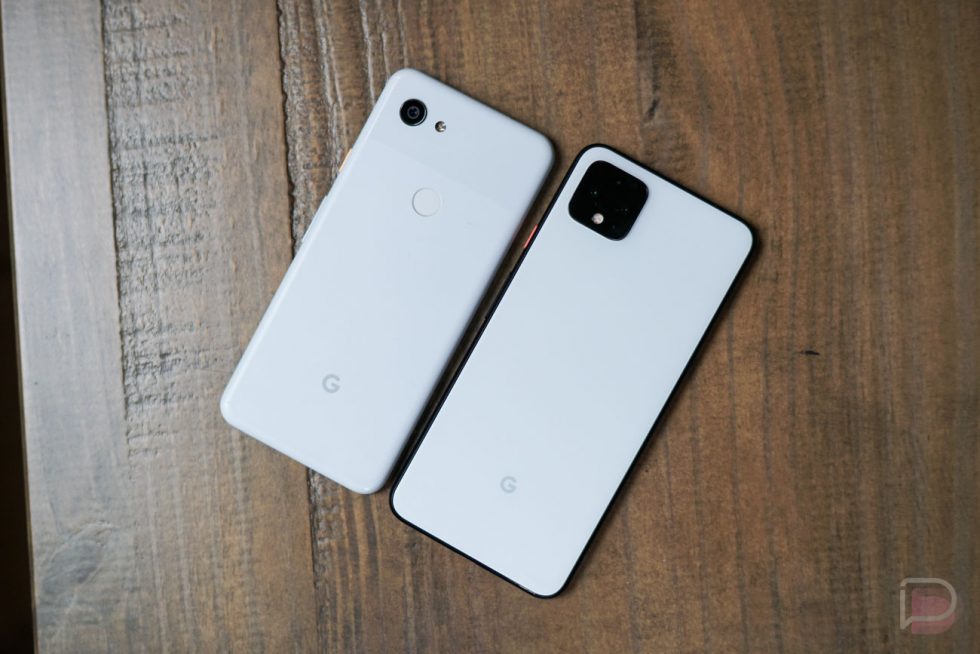
Samsung Just Made Me Excited About The Pixel 5Pixel 3a, Pixel 4

Pixel 3a, Pixel 4

https://tpc.googlesyndication.com/safeframe/1-0-37/html/container.html?n=0

A mostly uninteresting phone announcement from Samsung this morning did something unexpected – it got me pretty excited about a Google Pixel 5. I’m talking about the new Samsung Galaxy A71, a device that features a set of specs that are likely similar to what Google will show us with its next upper-tier phone.

Typically, I find it hard to associate the level of any of Samsung’s phones too closely with Google’s Pixel line because their approaches to phones differ quite a bit. Samsung is one of those companies that throws everything they can into a phone at all price points, whereas Google does closer to the bare minimum to just barely fit itself into select categories. But the specs sheet and (most importantly) price of this A71 could help tell us where the next Google phone might drop in at.https://tpc.googlesyndication.com/safeframe/1-0-37/html/container.html?n=0

The Galaxy A71 sports a big full HD AMOLED display, 6GB RAM, 128GB storage, 4500mAh battery with 25W fast charging, quad rear camera, and a Snapdragon 765G (with 5G) at a price of $600. To bring you back up to speed, the Google Pixel 5 is also supposed to run either that same Snapdragon 765G or the overclocked Snapdragon 768G version, rather than Qualcomm’s stupidly expensive Snapdragon 865.

Knowing Google, I’m not sure we should expect much more from the rest of the specs. 6GB RAM and 128GB storage seem about right for a Pixel 5, the battery could be smaller, the display might have a higher refresh rate (768G can do 120Hz at FHD), and the camera likely won’t have 4 lenses, but I’d imagine the overall package will look closely to this A71. Again, this A71 costs just $600.

When the first rumors and evidence surfaced showing that Google might skip this year’s high-end Qualcomm Snapdragon 865 and put a slightly lower-tier chip in the new Pixel 5, I argued that Google should do just that and that this was the perfect time for them to get weird. I mentioned that a $700 Pixel 5 would be a really tempting phone, knowing the camera you’d be getting, as well as the performance and years of updates.

We then saw a Google survey hint at a $349 Pixel 4a and a $699 “Premium Google Pixel Phone,” which would bring the “best” of any Google phone. Now that we’ve seen where Samsung has priced its Snapdragon 765G phone, plus LG’s Velvet is thought to land at a similar price point when it hits the US here soon, the Pixel 5 might slide into that weirdly perfect space.

I know that some of you may be disappointed by this idea that Google might not make an ultra-high-end phone that competes with the Galaxy S20 and top iPhone models, but they haven’t proven that they can. The past two years of top tier Pixel phones failed miserably because they couldn’t offer matching experiences that their competitors were selling. And also, buying $1,000 phones really sucks right now as the world’s economy is on the verge of collapse.

I’m excited about the idea of a $700 Google Pixel 5 that gives me the stuff I like about Google’s previous phones, yet doesn’t bring the hesitation that the Pixel 3 and Pixel 4 did because those phones tried to be something they weren’t.